A well-installed architectural asphalt roof in Toledo typically lasts 10 to 25 years. Standard 3-tab shingles run 10 to 15. Stone-coated metal systems such as Tilcor last 50 to 70 years and are largely untouched by the things that shorten asphalt's life here.
Those ranges sit at the lower end of the national figures, and that is not a coincidence. The general mechanics — freeze-thaw cycling, ice dams, attic ventilation — are covered in our guide to how long a roof lasts across Ohio and Michigan. This page is about what is specific to Toledo.
What we see on Toledo roofs
| Material |
What we see in Toledo |
| Standard 3-tab asphalt |
10–15 years |
| Architectural asphalt |
10–25 years |
| GAF Timberline HDZ architectural |
25–30 years with proper ventilation |
| Stone-coated metal (Tilcor) |
50–70 years |
Three things that shorten roof life in Toledo
Wind exposure off the western basin
Toledo sits at the shallow western end of Lake Erie, on flat ground with very little between the lake and the north side of the city. Storm bands come across with nothing to break them. Wind does not usually take a whole roof — it lifts and works individual tabs at the ridge and the rake edges, and those are the first places we find failures on Toledo roofs that are otherwise mid-life.
Freeze-thaw across a long shoulder season
Toledo's problem is not extreme cold so much as repetition. The city spends long stretches of November through March hovering around freezing, which produces cycle after cycle of water getting into small gaps, freezing overnight, and thawing the next afternoon. A roof here does not fail from one bad winter; it accumulates.
Tree canopy in the older neighborhoods
The Old West End, the streets around Ottawa Park, and much of Ottawa Hills carry mature canopy. Shaded slopes stay damp, hold organic debris, and grow moss and algae streaking. Debris in the gutters also holds water right at the eave, which is exactly where ice dams start.
Toledo's housing stock changes the answer
Toledo has an unusually wide spread of housing ages for a city its size, and the roof underneath matters as much as the roof on top.
In the Old West End and the older streets near downtown, tear-offs frequently reveal plank decking rather than plywood — original board sheathing with gaps between the boards. It can be perfectly sound, but it changes fastener holding and sometimes needs overlay before the new system goes on. Century homes here also tend toward steeper pitches and more complex rooflines, which means more valleys and flashing, and more places to fail.
West Toledo's midcentury ranches are the opposite problem: simple, low-slope roofs that are easy to install badly. Shallow pitch is less forgiving of poor underlayment, and these homes are often on their second or third roof, which is where layering shows up.
Newer builds along Central Avenue and out toward Sylvania generally have plywood decking, better original ventilation, and roofs that make the upper end of their range if the attic has not been compromised by later insulation work.
How old is your Toledo roof, really?
- Check the closing documents from when you bought. Roof replacements usually appear in the disclosure or inspection report.
- Look for a permit record. The City of Toledo and Lucas County keep searchable permit histories.
- Count the layers at the eave. Two or three means the roof has been covered over rather than replaced, and the effective age of the decking is much older than the top layer.
- Look in the gutters. Heavy granule accumulation means the surface is breaking down.
If you are seeing several warning signs at once, our breakdown of the signs it is time to replace your roof works through them in detail.
What a replacement costs in Toledo
Lifespan and cost are the same question asked twice. A Toledo roof that gives you ten years instead of twenty-five costs you materially more per year of service, even if the install price is identical — which is the real argument for spending on ventilation and material quality rather than shaving the bid.
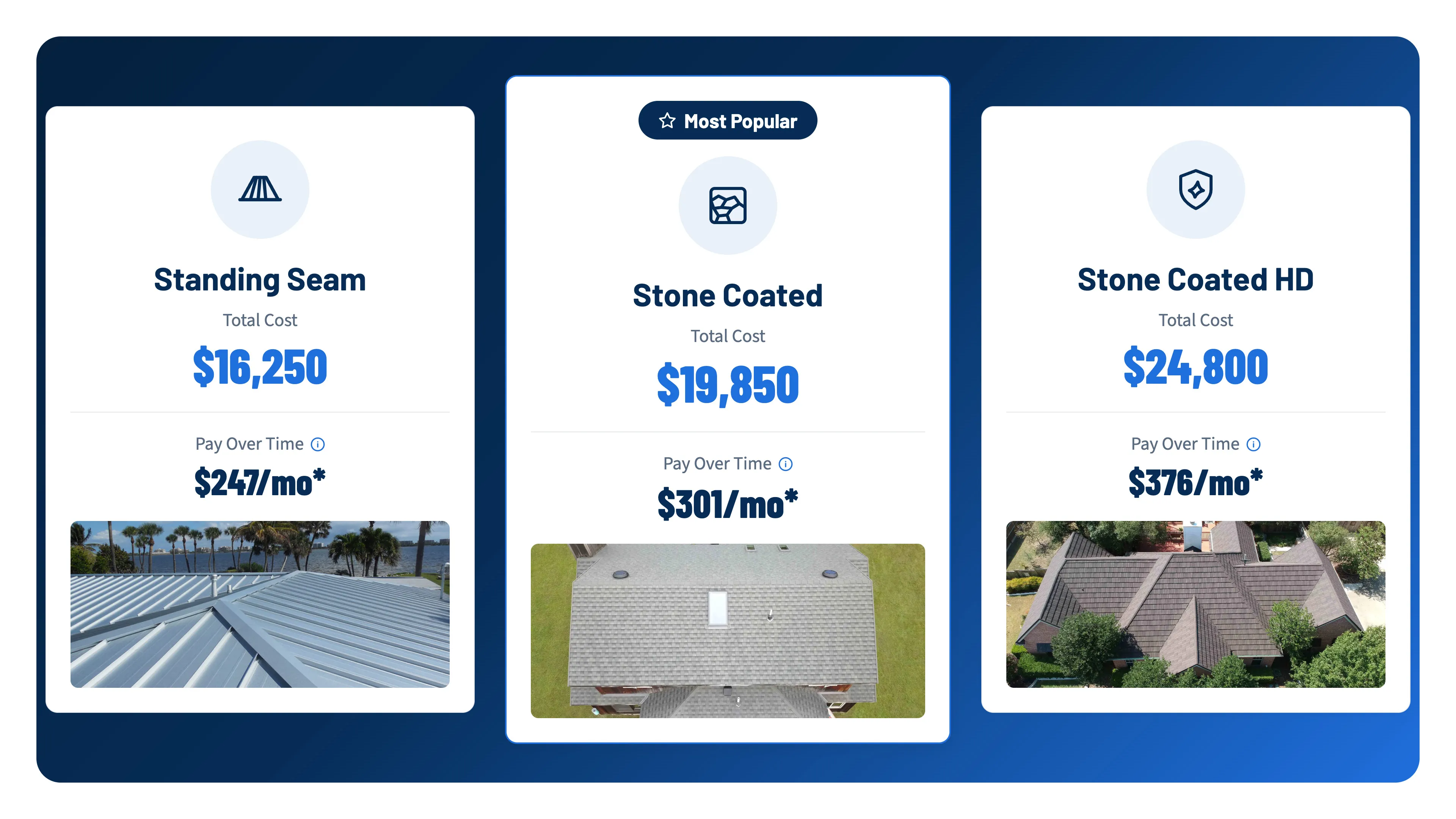
For the local picture, see how much a roof costs in Toledo, which covers plank decking, century-home pitch and layer count. The wider breakdown of what drives the number is in our guide to what a new roof costs in Ohio and Michigan, and the roof cost calculator will get you to a monthly payment in a couple of minutes.
Get a straight answer about your Toledo roof
An inspection is the only way to know how much life your roof has left. We will walk it, check the attic, and tell you plainly whether you are looking at a repair, a few more years, or a replacement — with no obligation either way.
Great Lakes Home Remodeling is based in Toledo and has served homeowners across Ohio, Michigan and Indiana for more than twenty years. We are a GAF President's Club contractor and an Owens Corning Preferred Contractor, fully licensed, bonded and insured. See our Toledo roofing services for what we install locally.
Request your free Toledo roof inspection or call (800) 715-7663.
Frequently asked questions
How long does a roof last in Toledo?
Architectural asphalt shingle roofs in Toledo typically last 10 to 25 years, with GAF Timberline HDZ reaching 25 to 30 when the attic is properly ventilated. Stone-coated metal systems such as Tilcor last 50 to 70 years. Toledo roofs sit at the lower end of national ranges because of repeated freeze-thaw cycling and wind exposure off western Lake Erie.
Do Old West End homes need a different approach?
Often, yes. Tear-offs on Toledo's century homes frequently reveal plank decking rather than plywood, and the steeper, more complex rooflines mean more valleys and flashing. We walk the property and talk through what the architecture needs before quoting.
Is my roof failing early because of the trees?
It contributes. Shaded slopes across the Old West End and Ottawa Hills stay damp and hold debris, which accelerates granule loss and feeds moss. Keeping gutters clear twice a year and getting the ventilation right will recover most of that lost life.