Akron lies in a humid continental climate with cold, snowy winters, hot humid summers, and storm activity in transitional seasons. Snow accumulation, freeze-thaw cycles, wind, and rain are persistent stresses on any roof in this region. Choosing the right roof style is crucial to manage snow load, drainage, and durability.
Understanding Flat (Low-Slope) vs Sloped Roofs
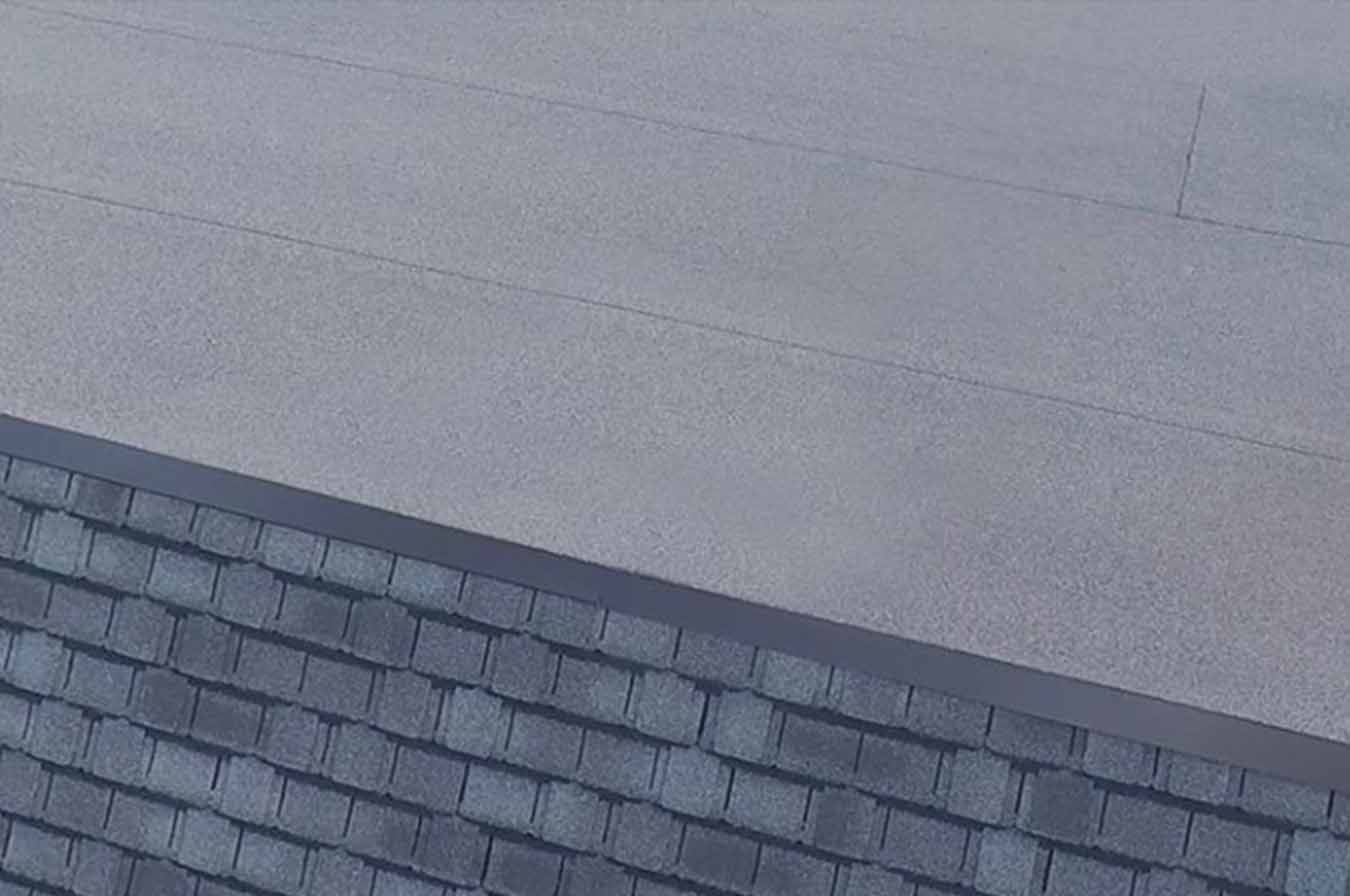
A flat roof (or low-slope roof) typically has minimal pitch (often ≤ 3 in 12) to allow water drainage rather than being perfectly flat.
A sloped or pitched roof has an angled surface that encourages rapid runoff of rain and snow.
Advantages and Disadvantages of Flat Roofs
Pros
Lower initial construction cost: simpler structure, fewer materials, less labor.
Ease of access and maintenance: flat surfaces are easier and safer to walk on for inspections, HVAC installations, etc.
Potential for usable rooftop space (gardens, solar panels, mechanical equipment).
Cons
Drainage challenges: water pooling is a major risk, especially in heavy rain or melting snow.
Higher maintenance demands: membranes, seams, flashing must be inspected and repaired regularly.
Shorter lifespan in harsh climates due to exposure and stress from temperature changes.
Vulnerability to leaks in aging or poorly installed systems.
Advantages and Disadvantages of Sloped (Pitched) Roofs
Pros
Excellent drainage: snow and rain shed quickly, reducing the chance of standing water or ice dams.
Longer durability: less exposure to water accumulation and UV stress leads to longer roof life.
More design variety: multiple profiles, gutters, overhangs, and aesthetics.
Better performance in Akron’s weather conditions (snow load, freezing) due to slope.
Cons
Higher upfront cost: more materials, framing, and skilled labor required.
More complex maintenance: steeper surfaces require safety equipment and may have harder access to repairs.
Reduced usable rooftop area (less flat space) compared to flat surfaces.
Which Style Fits Better for Akron Homes?
Given Akron’s weather (snow, freeze-thaw, storms) sloped (pitched) roofs often deliver better protection, durability, and lower long-term maintenance risk. The slope helps with snow shedding, minimizing water intrusion and reducing structural stress. Even though flat roofs have situational advantages (modern design, usable top space), they demand more vigilant maintenance and design strategy to succeed in Akron.
Best Practices & Considerations for Each Type
For flat roofs, ensure robust waterproof membranes, adequate drainage systems (internal drains, scuppers), insulation, and regular inspections.
For pitched roofs, design with proper overhangs, ventilation, ice & water underlayment, durable flashing, and snow guard systems if needed.
Always work with experienced roofing professionals who understand Akron’s climate, snow loads, and local codes.
Budget not only for installation but for long-term upkeep, especially for flat roof systems.
TLDR For Akron, Ohio homes, pitched roofs generally offer superior performance under local weather stress. Flat roofs can still work when designed and maintained properly but carry greater risk in this climate. Matching roof style to your needs, design preferences, and maintenance willingness, and selecting quality installation, ensures longevity.
Frequently asked questions
Is a flat or pitched roof better in Akron?
For most homes in our region, a pitched roof is better because it sheds snow and rain quickly. Flat roofs work on some additions and commercial buildings but need more maintenance.
Do flat roofs leak more?
Flat roofs are more likely to hold standing water, so they need careful drainage and regular inspections to prevent leaks.
How long does a flat roof last compared with a pitched roof?
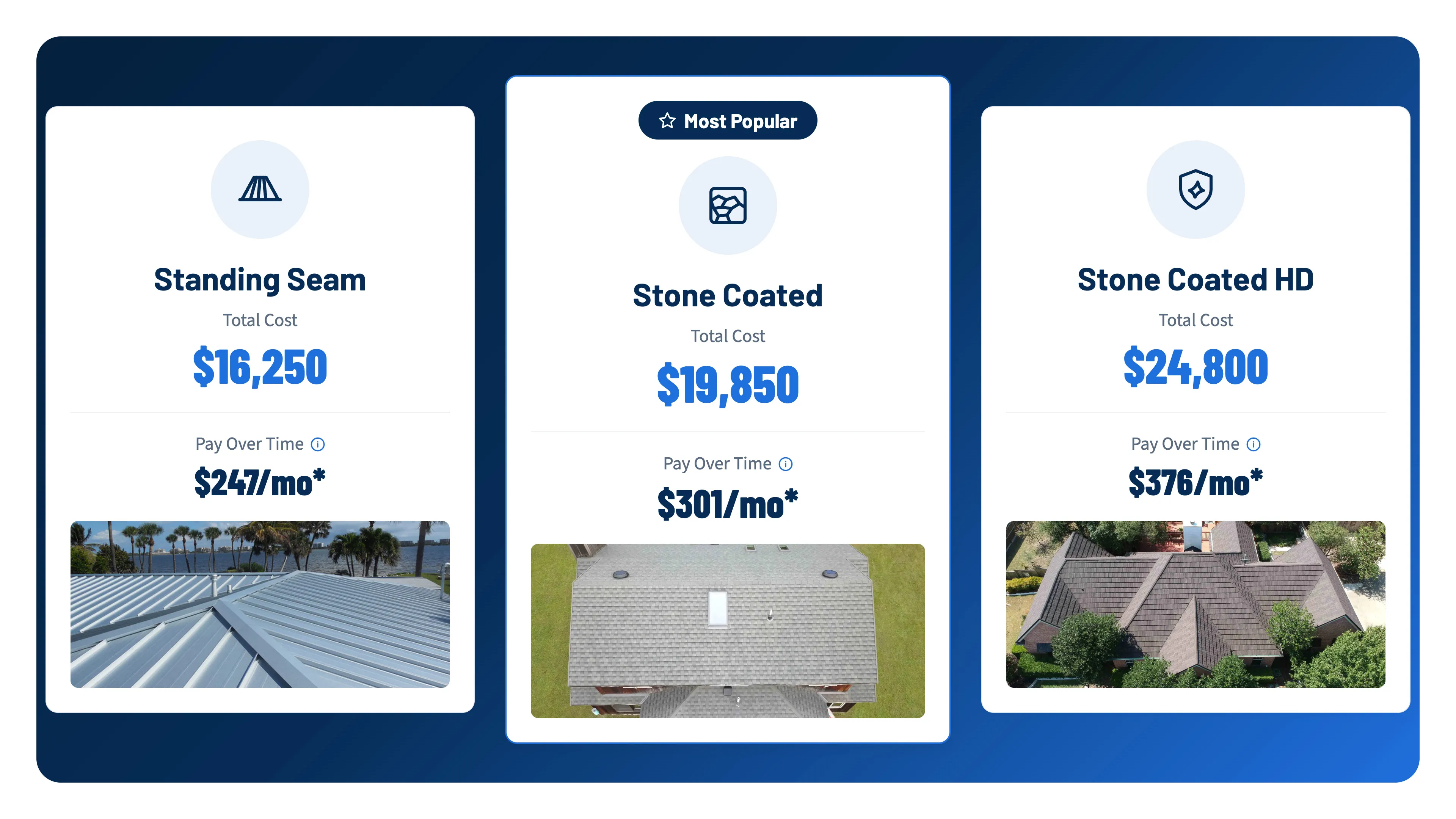
A flat roof membrane typically lasts 15 to 25 years. A pitched asphalt roof lasts 10 to 25 years, and a stone-coated metal roof can last 50 to 70 years.